Metaverse — Navigating the New Digital Frontier and Its Cryptocurrency Ecosystem
Introduction to the Metaverse: A Digital Parallel Universe
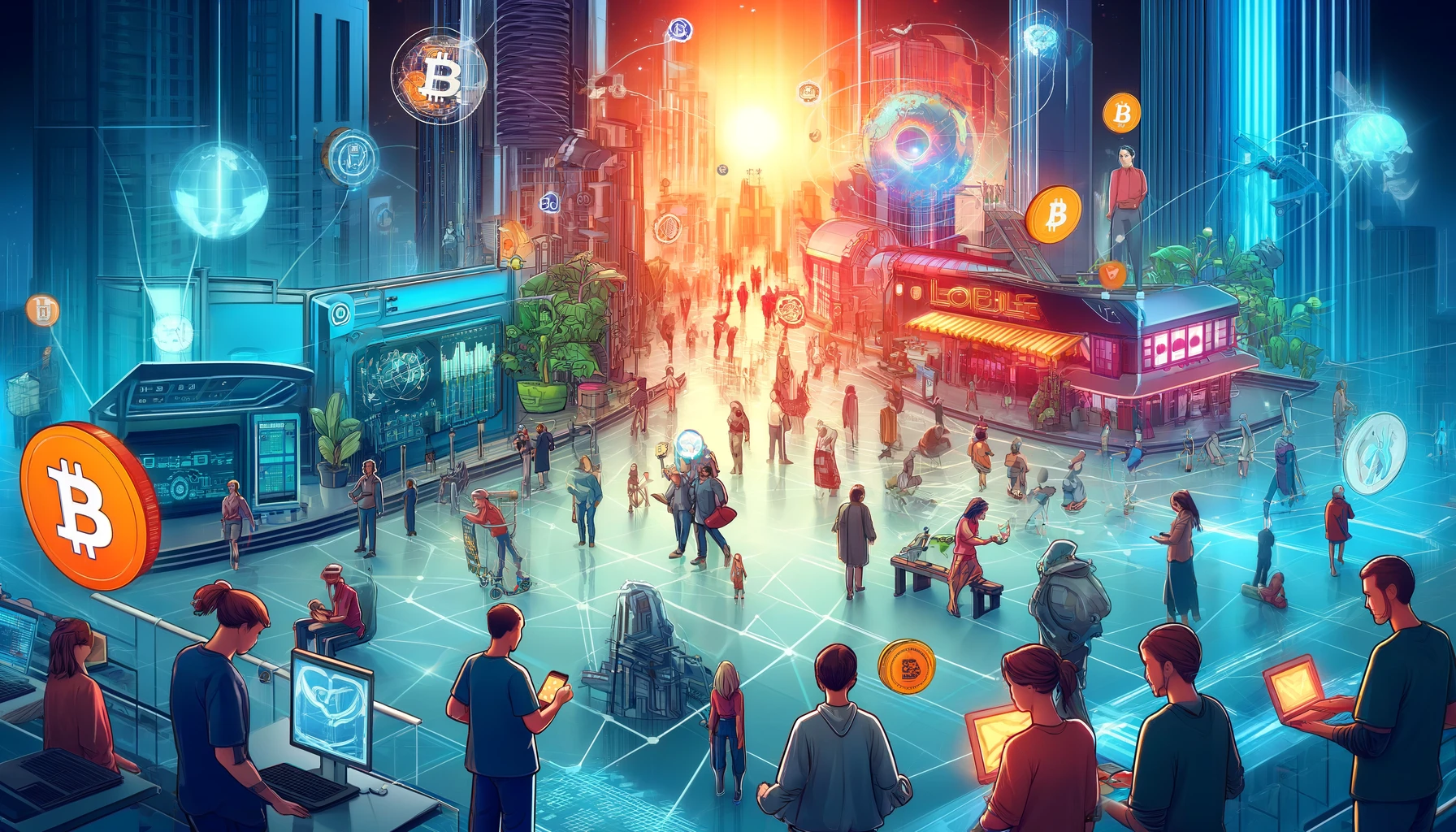
The concept of the metaverse has captured the imagination of technologists and futurists alike, presenting a vision of a fully immersive digital world where users can live, work, and play. This virtual universe blends elements of augmented reality (AR), virtual reality (VR), and the internet to create spaces that are as interactive and rich as the physical world. Imagine stepping into a game-like environment where every action, transaction, and interaction occurs in real-time, across a globally accessible digital platform.
Cryptocurrency: The Economic Engine of the Metaverse
In the metaverse, cryptocurrency isn't just a form of digital money; it's the foundation of a sprawling economy that spans virtual worlds. Just as the dollar and euro facilitate trade and value exchange in the physical world, cryptocurrencies like Bitcoin, Ethereum, and various altcoins enable users to purchase virtual goods, invest in digital real estate, and even trade services across the metaverse with ease and security.
Example: Consider a scenario where you attend a virtual gallery opening in the metaverse and find a piece of digital art you love. Instead of paying with cash or credit, you complete the purchase instantly using Ethereum, which also records the provenance and ownership of that artwork securely on the blockchain.
The Infrastructure of the Metaverse: Building a Virtual Ecosystem
The metaverse is constructed using sophisticated blockchain technology, which ensures that all transactions are secure, transparent, and immutable. This technology is not just about creating a ledger for transactions but is also crucial in establishing trust and ownership of virtual assets, which are often tokenized as non-fungible tokens (NFTs).
- Virtual Real Estate Development: Platforms like Decentraland and Sandbox allow users to buy, develop, and sell parcels of virtual land, creating an entirely new market for real estate.
- NFT Marketplace Dynamics: The trading of unique digital items and collectibles provides an economic incentive for creators and collectors alike.
Example: You could buy a virtual plot next to a popular concert venue in the metaverse and develop it into a bustling virtual café, where avatars can gather before a show.
Navigating Security and Privacy in the Metaverse
While the metaverse offers expansive opportunities, it also presents new challenges in terms of security and privacy. Blockchain serves as a protective layer that not only facilitates transactions but also ensures that users' digital identities and assets are protected from fraud and theft.
- Digital Identity Verification: Blockchain technology can provide robust identity verification mechanisms to prevent impersonation and fraud.
- Asset Protection Protocols: Smart contracts can automate security protocols that protect users' investments and property in the metaverse.
Visioning the Future: The Metaverse and Beyond
As we look to the future, the metaverse promises to revolutionize how we interact with digital content, conduct business, and even perceive our own reality. The ongoing integration of AI, machine learning, and more advanced VR and AR technologies will likely make the metaverse more realistic and integrated into daily life. This evolution will continually reshape the boundaries between digital and physical, creating new opportunities and challenges for users worldwide.