Unearthing Digital Gold: The Intricacies of Blockchain Mining
Introduction: Mining as the Backbone of Blockchain Technology
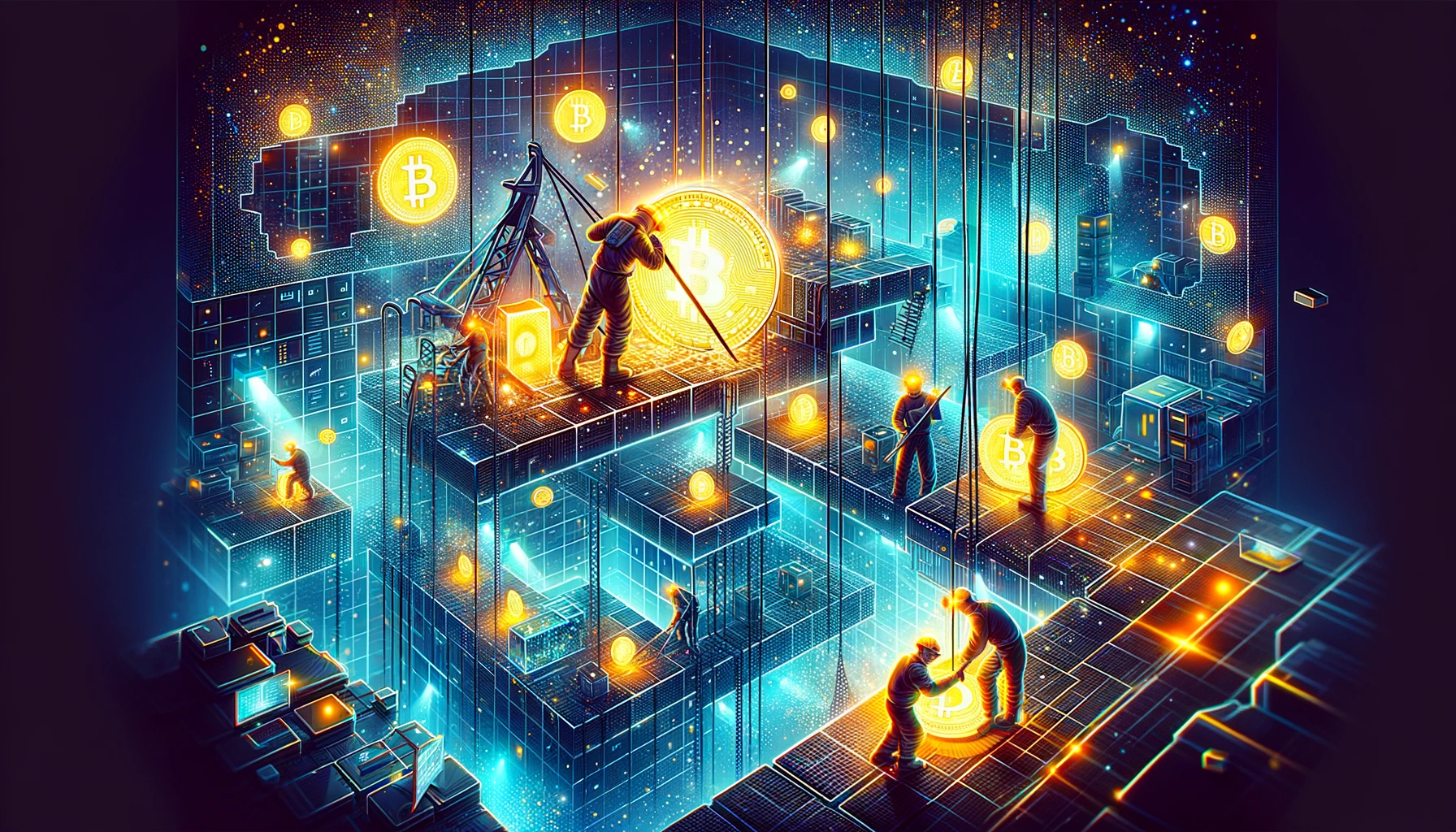
In the vast digital landscape of blockchain technology, mining plays a pivotal role akin to mining for gold in the physical world. However, instead of excavating earth, blockchain miners solve complex mathematical problems to validate transactions and secure the network.
What is Blockchain Mining?
Mining in the context of blockchain is the process through which new digital coins are created and transactions are verified across a network. This is achieved by miners, who use powerful computers to solve cryptographic puzzles.
The Role of Mining in Ensuring Network Integrity
- Transaction Validation: Miners verify the legitimacy of transactions to prevent issues such as double-spending.
- Network Security: By solving cryptographic puzzles, miners help secure the blockchain against attacks by making alterations expensive and time-consuming.
- Block Creation: Successfully solving a puzzle allows the miner to add a new block to the blockchain, updating the ledger with new transactions.
How Does Mining Work?
Mining involves several steps that ensure the smooth operation of a blockchain:
- Transaction Gathering: Miners collect transactions from a pool to form a new block.
- Nonce Discovery: Miners try to find a nonce (a random number) that results in a hash below a certain target.
- Proof of Work: The correct nonce proves that work was done, qualifying the block to be added to the blockchain.
- Block Addition: Once the block is verified by other nodes, it is added to the blockchain.
Example: Imagine a group of miners as a team of auditors in a bank, checking and recording transactions meticulously to ensure the ledger's accuracy and security.
The Reward System for Miners
Miners are compensated for their computational efforts through:
- Block Rewards: A set amount of new coins given to miners when they successfully mine a block.
- Transaction Fees: Fees attached to transactions that miners include in the blocks they mine.
Challenges Faced by Miners
- Increasing Difficulty: The difficulty of puzzles in the mining process adjusts depending on the network’s power, ensuring that the average time to find a block remains constant.
- Resource Consumption: Mining requires substantial computational power and electricity, leading to high operational costs.
- Market Volatility: Fluctuations in the value of digital currencies can significantly affect miners' profitability.
The Future of Mining: Trends and Innovations
As blockchain technology evolves, so too does mining. Future trends include:
- Energy Efficiency Improvements: Innovations in technology that reduce the energy consumption of mining operations.
- Pool Mining: Small miners joining forces to mine more effectively and share rewards.
- Regulatory Changes: Increased government oversight could shape how mining operates globally.