Exploring Non-Fungible Tokens (NFTs): Digital Assets Redefining Value
Introduction: The Rise of NFTs in the Digital Landscape
Non-fungible tokens (NFTs) have stormed into the digital world, carving out a new way to own and trade unique digital items. Unlike traditional digital creations that can be endlessly duplicated, NFTs are like digital signatures that verify ownership and authenticity of a singular item.
What Are NFTs?
Non-fungible tokens (NFTs) are digital assets that represent ownership or proof of authenticity of a unique item or piece of content on the blockchain. Each NFT is distinct and cannot be exchanged on a one-to-one basis like cryptocurrencies. This uniqueness is similar to owning an original painting; just as no two original artworks are identical, each NFT has unique properties that cannot be replicated.
How Do NFTs Work?
- Blockchain Technology: NFTs are created and stored on a blockchain, primarily Ethereum, which ensures the integrity, security, and longevity of the data.
- Smart Contracts: These are self-executing contracts with the terms directly written into code, which govern the creation, sale, and transfer of NFTs.
Common Uses of NFTs
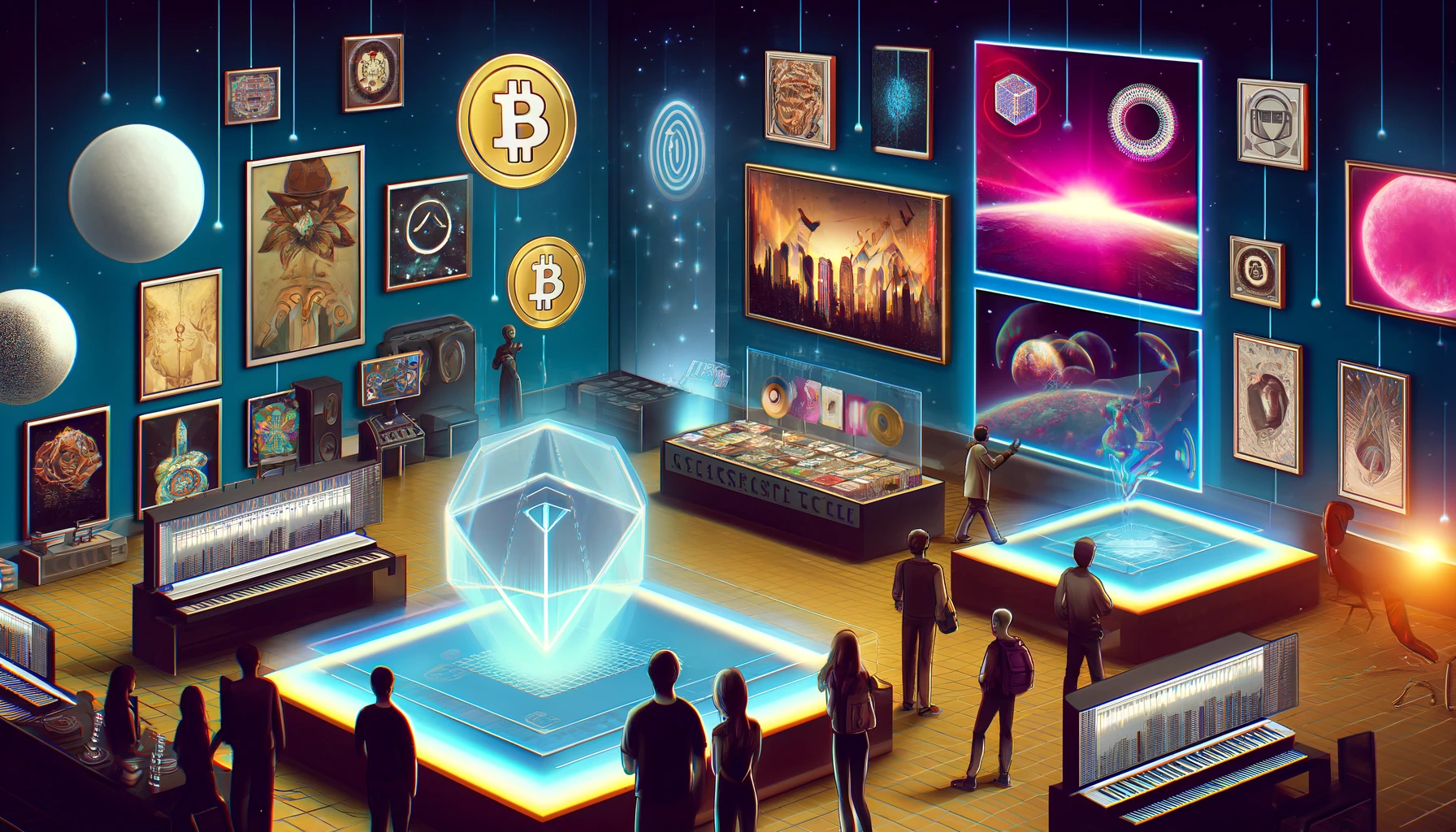
- Art and Collectibles: Digital artists are turning their artwork into NFTs, providing a new way for art to be bought, sold, and collected online.
- Gaming: NFTs can represent in-game assets, which are controlled by the user instead of the game developer.
- Music and Entertainment: Musicians and filmmakers use NFTs to monetize their work directly through digital rights management.
- Real Estate and Virtual Land: Platforms like Decentraland use NFTs to buy and sell digital real estate.
Benefits of NFTs
- Proof of Ownership: NFTs provide a clear, indisputable record of ownership for digital assets.
- Market Efficiency: They enable a more efficient and direct marketplace for buying and selling digital goods.
- Creative Economy Empowerment: Artists and creators can monetize their digital creations without intermediaries.
Challenges and Considerations
- Environmental Concerns: The creation and transfer of NFTs require significant computational power, leading to high energy use, particularly on proof-of-work blockchains.
- Market Volatility: The value of NFTs can be highly volatile, with prices influenced by trends and speculative trading.
- Intellectual Property Issues: The digital nature of NFTs can complicate copyright and usage rights.
The Future of NFTs: Trends and Predictions
As blockchain technology evolves, the use of NFTs is expected to expand into new sectors:
- Fashion and Design: Brands may start using NFTs to authenticate physical products.
- Legal Documents: NFTs could potentially be used for digital identity verification or as proof of document authenticity.
- Healthcare and Education: Unique digital tokens could secure medical records or academic credentials.