Proof of Burn (PoB): Fueling Network Security and Token Economics
Introduction: Igniting Understanding of Proof of Burn
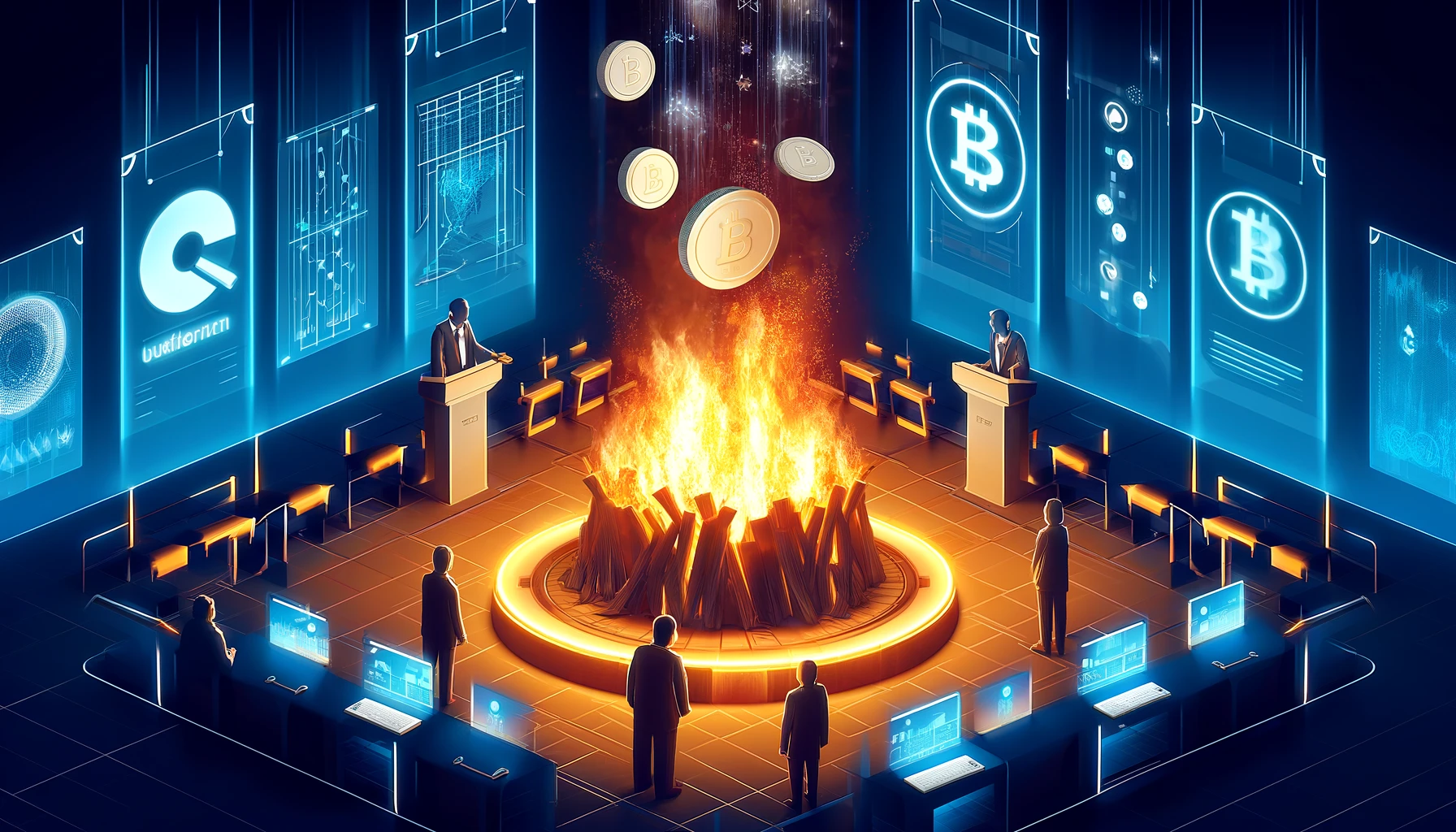
In the diverse landscape of blockchain consensus mechanisms, Proof of Burn (PoB) stands out as a fascinating and somewhat counterintuitive approach. Imagine Proof of Burn as a recycling process where old currency is burned away, symbolically turning it into ashes, from which new value can arise. This mechanism is used to enhance network security and token economics by burning a portion of tokens to create a long-term commitment from participants.
What is Proof of Burn?
Proof of Burn is a consensus algorithm used in some blockchain networks where participants 'burn' or permanently destroy a portion of their tokens to gain mining rights or other benefits. This burning process involves sending tokens to an eater address—a wallet from which tokens can never be retrieved, effectively removing them from circulation.
The Role of Proof of Burn in Cryptocurrency
- Token Deflation: By reducing the number of tokens in circulation, PoB can potentially increase the value of the remaining tokens due to the principles of supply and demand.
- Network Security: Participants who burn their tokens demonstrate long-term commitment, which can deter malicious behavior and secure the network.
- Energy Efficiency: Unlike Proof of Work, PoB does not require large amounts of energy, making it a more environmentally sustainable option.
How Proof of Burn Works
- Token Burning: Users send their tokens to an unspendable address.
- Proof Submission: The transaction of burning tokens serves as proof of their commitment to the network.
- Rewards and Rights: In return, users may receive rewards such as enhanced mining power or governance rights within the network.
Examples of Proof of Burn Usage
- Slimcoin: Utilizes PoB where miners burn coins to receive "burning rewards," which allow them to mine blocks more efficiently.
- Counterparty: A platform that burned Bitcoin to create its native XCP tokens, which are used to create and trade various types of assets.
Benefits of Using Proof of Burn
- Increased Token Value: Reducing the total supply of tokens can lead to an increase in value per token.
- Decentralization: By allowing anyone to burn tokens and participate, PoB can help maintain a decentralized network structure.
- Reduced Energy Consumption: Offers a more sustainable alternative to energy-intensive consensus mechanisms like Proof of Work.
Challenges and Criticisms of Proof of Burn
- Economic Waste: Critics argue that burning potentially valuable tokens is wasteful.
- Barriers to Entry: New users might find it difficult to participate if significant token burning is required.
- Long-Term Viability: The effectiveness and impact of PoB on long-term network security and economics are still subjects of debate.
The Future of Proof of Burn
As blockchain technology evolves, the applications of Proof of Burn may expand or transform. Innovations may include:
- Hybrid Models: Combining PoB with other consensus mechanisms to balance security and efficiency.
- Regulatory Compliance: As digital asset regulations mature, PoB may need to adapt to comply with new legal standards.