Token Minting: Crafting the Future of Digital Assets on Blockchain
Introduction: Understanding Token Minting in the Blockchain Landscape
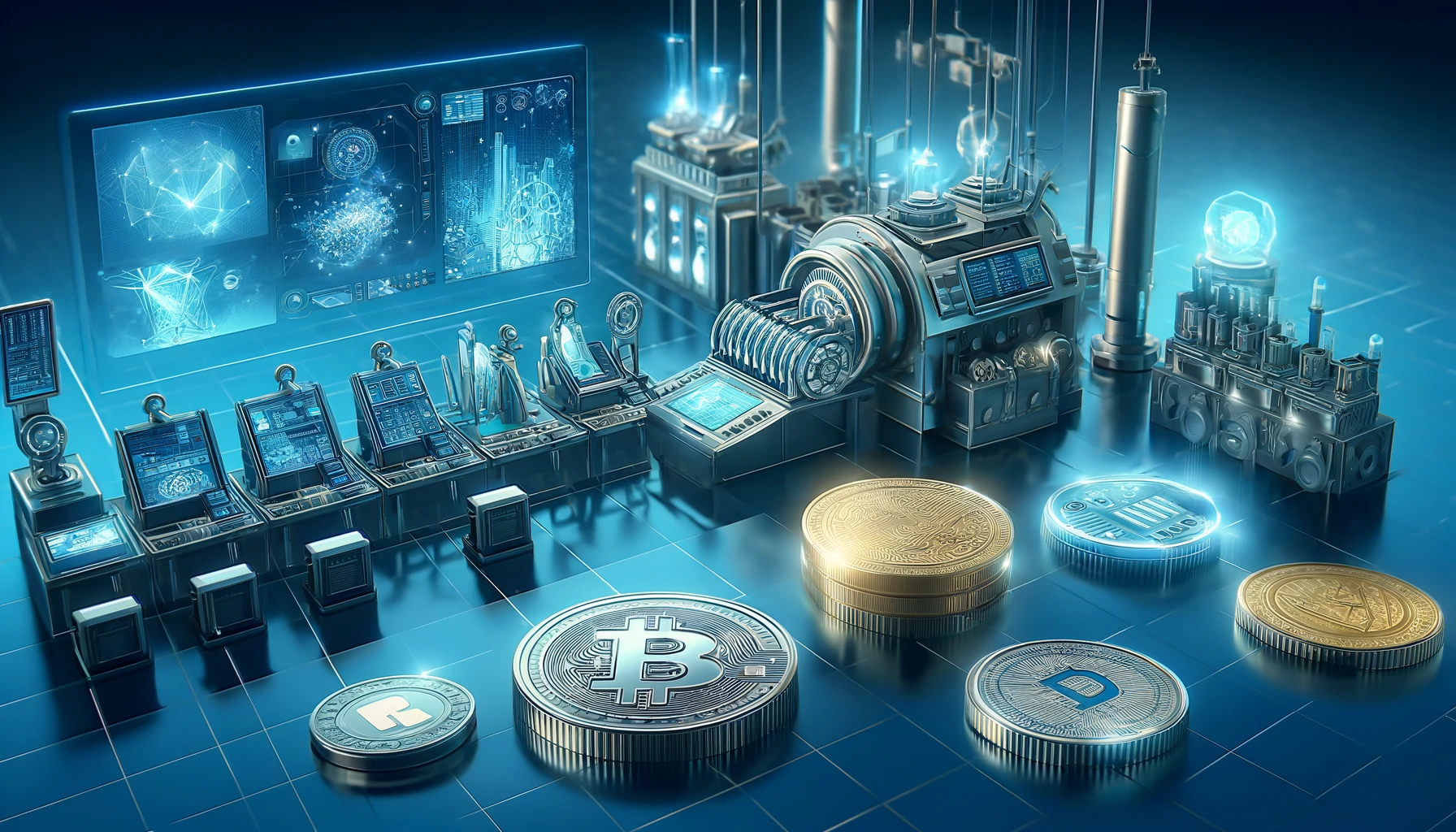
Token minting is the process of creating new digital tokens or coins on a blockchain, which can represent assets, access rights, or serve as currency. Much like a mint produces physical coins, blockchain technology allows developers to produce digital tokens. These tokens can be anything from new cryptocurrencies competing with Bitcoin, to unique assets like Non-Fungible Tokens (NFTs) that represent ownership of specific items like digital art or real estate.
The Mechanics of Token Minting: From Concept to Blockchain
Minting a token involves creating a new block, which records information about the token's properties and ownership. This block is then verified by the network and added to the blockchain, ensuring the token's security and immutability.
Example: Think of minting a token like publishing a book. Once the book is printed (minted), its contents (the token's data) cannot be altered, and copies (transactions) are distributed to the public.
The Role of Smart Contracts in Token Creation
Smart contracts are self-executing contracts with the terms of the agreement directly written into lines of code. They play a crucial role in token minting, especially for creating NFTs and other decentralized applications (dApps). These contracts automatically perform actions under certain conditions, such as transferring ownership of the token or releasing funds.
Example: When an artist mints an NFT of their artwork, a smart contract ensures that anytime the artwork is sold, a percentage of the sale automatically goes back to the original artist as royalty.
Exploring Types of Tokens Typically Minted
- Utility Tokens: These tokens provide users with access to a specific product or service within a platform.
- Security Tokens: Represent investments in real-world assets and are subject to federal securities regulations.
- NFTs (Non-Fungible Tokens): Unique tokens that represent ownership of a specific item or piece of content, not interchangeable.
Best Practices for Token Minting
- Transparency and Security: Ensure the smart contract code is public and audited by third parties to avoid vulnerabilities.
- Legal Compliance: Particularly for security tokens, adhering to regulations is crucial.
- Community Engagement: Successful token launches often involve strong community support and clear communication about the token's value and utility.
The Impact of Token Minting on Industry and Innovation
Token minting has the potential to revolutionize industries by facilitating the digital representation of physical assets, creating more fluid markets, and reducing barriers to entry for various economic activities. It's akin to the evolution of digital music downloads, which transformed how people access and own music.
Future Trends: The Evolution of Tokenization
As blockchain technology advances, the process of token minting is becoming more accessible, allowing more creators and entrepreneurs to leverage this innovation. The future might see tokens representing more complex assets, like intellectual property or even personal identities.