Web 3.0: Pioneering the Decentralized Internet through Blockchain
Introduction: Unraveling the Concept of Web 3.0
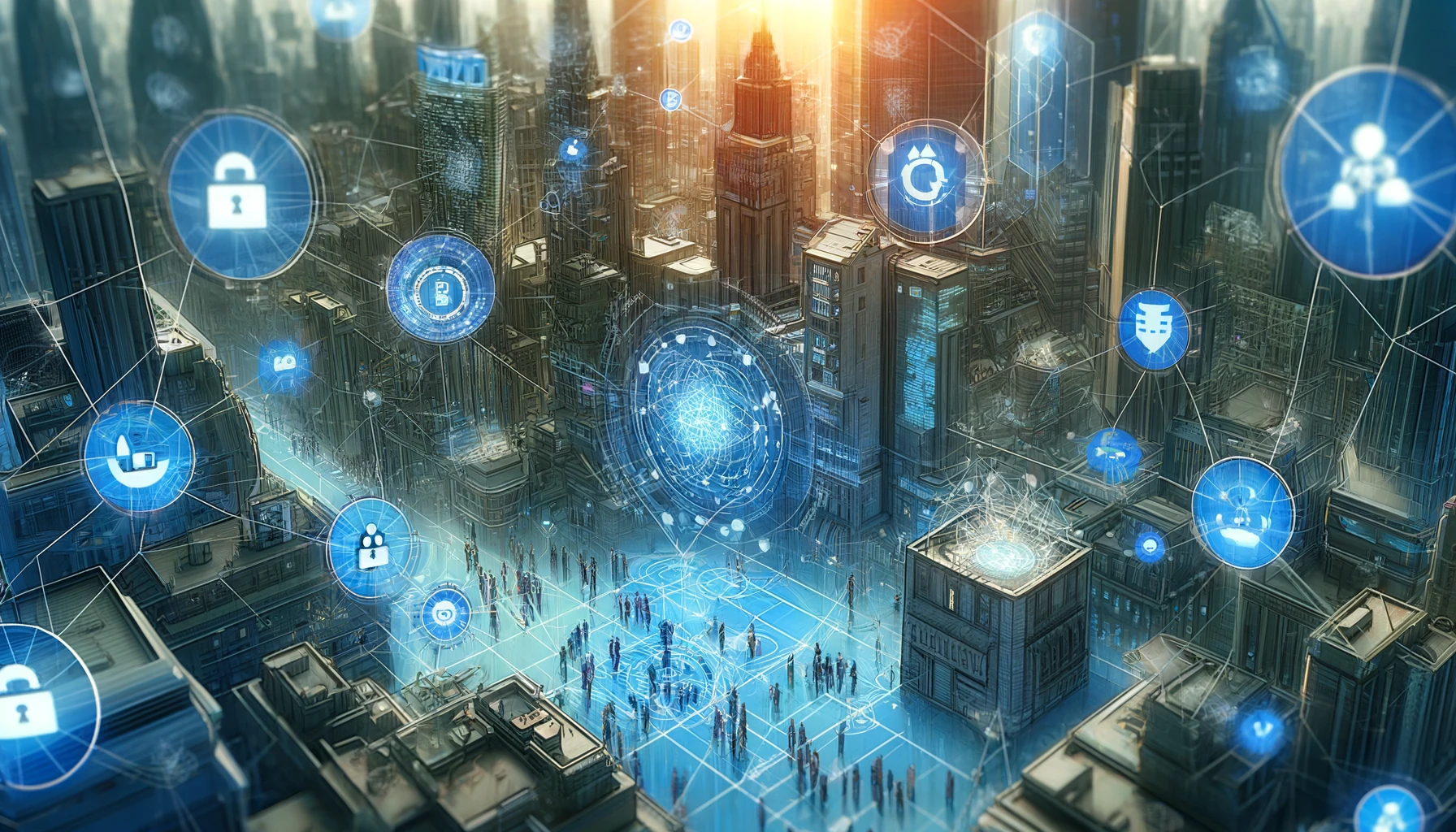
Web 3.0 represents the third generation of internet services for websites and applications, focusing on utilizing a machine-based understanding of data to provide a data-driven and Semantic Web. The key hallmark of Web 3.0 is its decentralization, where the control and ownership of data are spread across all users rather than being held in the hands of a few major corporations.
The Evolution from Web 1.0 and Web 2.0 to Web 3.0
- Web 1.0 (The Static Web): This era was about read-only content and static HTML pages. Users could only view pages without interacting with them.
- Web 2.0 (The Social Web): This phase introduced interactivity, social networking, and user-generated content, leading to the rise of social media platforms and blogs.
- Web 3.0 (The Decentralized Web): Web 3.0 leverages blockchain technology, artificial intelligence, and machine learning to create decentralized networks and applications. This version of the web is user-centric, emphasizing privacy, security, and a more equitable distribution of power and profits.
How Blockchain Fuels Web 3.0
Blockchain technology is the backbone of Web 3.0, providing:
- Decentralization: Unlike traditional web services that store data in central servers, blockchain distributes data across a network of nodes, enhancing security and reducing risks of data breaches.
- Transparency and Trust: Blockchain's ledger system ensures that all transactions are transparent, immutable, and verifiable by all users.
- Tokenization and Economy: Web 3.0 enables a new digital economy through cryptocurrencies and tokens, allowing users to own assets and transact directly without intermediaries.
Key Components of Web 3.0
- Decentralized Applications (DApps): These run on a P2P network of computers rather than a single computer, embodying the essence of decentralization.
- Smart Contracts: These are self-executing contracts with the agreement directly written into lines of code, stored and replicated on the blockchain.
- Decentralized Autonomous Organizations (DAOs): These are member-owned communities without centralized leadership.
Example: Imagine using a social network where your data isn’t owned by a company but instead is stored on a blockchain, and where you earn tokens for your contributions, such as posting content or moderating communities.
Benefits of Web 3.0
- Enhanced Privacy: Users have control over their own data.
- Censorship-resistant: Decentralized nature makes it harder for any single entity to censor or restrict access to content.
- New Business Models: Innovative economic models that can directly compensate creators and contributors.
Challenges and Considerations
- Scalability: Scaling blockchain technology to accommodate the vast amount of data used in Web 3.0 applications is challenging.
- Complexity: The technology behind Web 3.0 is complex, which can be a barrier to entry for new users.
- Regulatory Uncertainty: As a new paradigm, Web 3.0 faces uncertain regulatory environments which could impact its development and adoption.
The Future of Web 3.0: What Lies Ahead?
The potential of Web 3.0 extends into every aspect of online interaction and digital services. Future advancements may include more sophisticated AI-driven applications, enhanced privacy protocols, and increasingly seamless integration of blockchain technologies into everyday online activities.