Unlocking the Secrets of Zero-Knowledge Proof: Enhancing Privacy and Security
What is Zero-Knowledge Proof?
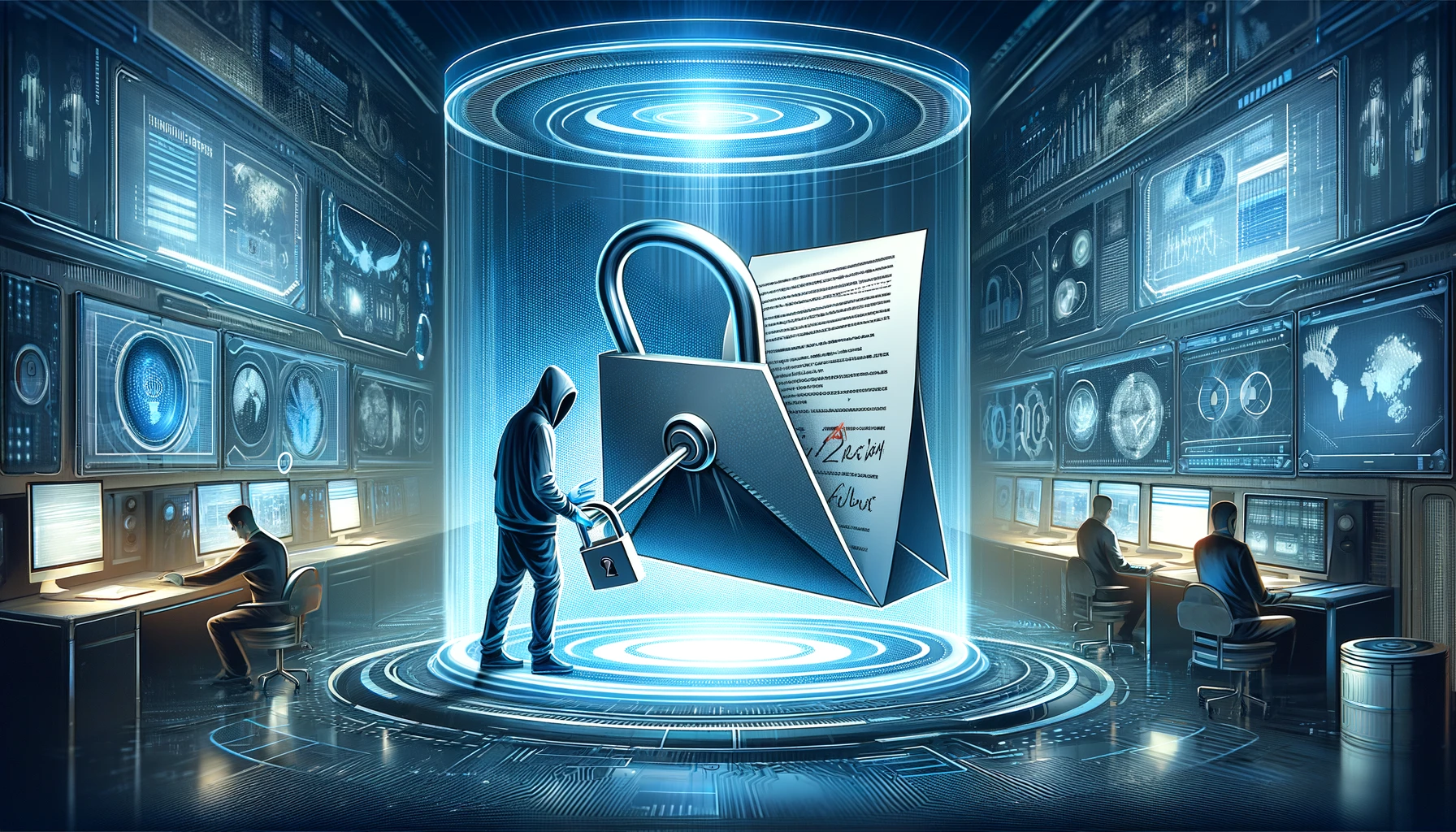
Zero-Knowledge Proof (ZKP) is a cryptographic method that allows one party (the prover) to prove to another party (the verifier) that a given statement is true, without revealing any information apart from the fact that the statement is indeed true. This concept is critical in enhancing privacy and security across various digital interactions.
How Zero-Knowledge Proofs Work
The Mechanics of ZKP
- Verification Without Disclosure: ZKPs enable the prover to demonstrate that they possess certain knowledge without disclosing what that knowledge is.
- Interactive and Non-Interactive ZKPs: While interactive ZKPs involve a back-and-forth communication between the prover and the verifier, non-interactive ZKPs can be verified without ongoing interaction.
Example of a Zero-Knowledge Proof:
- Sudoku Puzzle: Imagine proving that you have solved a Sudoku puzzle without revealing the solution. You could provide a commitment (a cryptographic seal) of the solved puzzle and a method for the verifier to check individual numbers without seeing the entire grid.
Applications of Zero-Knowledge Proofs
Enhancing Privacy in Cryptocurrencies
- Zcash: Utilizes ZKP to allow transactions without disclosing sender, receiver, or transaction amount on the blockchain, providing a high level of privacy.
Secure Authentication
- Password Verification: ZKPs can verify the correctness of a password without the need to reveal or transmit the password itself, reducing the risk of interception or theft.
The Advantages of Zero-Knowledge Proofs
Increased Security and Privacy
- Data Protection: By verifying transactions or data access without revealing underlying data, ZKPs protect sensitive information from exposure.
- Enhanced User Trust: Users are more likely to engage with systems that ensure their data privacy and security, fostering trust and broader adoption.
Challenges in Implementing Zero-Knowledge Proofs
Complexity and Cost
- Technical Complexity: Implementing ZKPs can be technically challenging, requiring advanced knowledge in cryptography.
- Performance Overhead: ZKP algorithms can be computationally intensive, potentially slowing down systems and increasing operational costs.
The Future of Zero-Knowledge Proofs
As technology evolves, the implementation of ZKPs is expected to become more streamlined and cost-effective, broadening their applicability in areas such as cloud storage, secure voting systems, and confidential business processes. The ongoing research and development in this field are likely to unlock even more potent applications, further safeguarding digital privacy and security.